Berberine And Blood Sugar: What The Research Shows
Berberine is a bioactive compound found in plants like goldenseal and barberry, one of the more extensively studied botanicals specifically for blood sugar metabolism.
It is arguably the best-evidenced ingredient in a formula like RevitalGluco's, though comparisons to prescription medication deserve careful, cautious framing.
What makes Berberine different from most botanicals
Unlike many traditional botanicals whose modern research base is thin, Berberine has been the subject of a meaningful number of human clinical trials examining its effect on blood glucose markers, generally through its association with AMPK (AMP-activated protein kinase) activation — sometimes described as a cellular energy-sensing pathway relevant to how efficiently cells respond to insulin.
Why comparisons to metformin deserve caution
What the research on Berberine generally shows
Clinical research on Berberine has examined outcomes including fasting blood glucose, HbA1c and lipid markers, generally over trial periods of 8 to 12 weeks. Context on blood sugar management research more broadly is available through PMC. As with most single-ingredient research, results vary across studies and populations.
The genuine safety consideration
Applying this to RevitalGluco
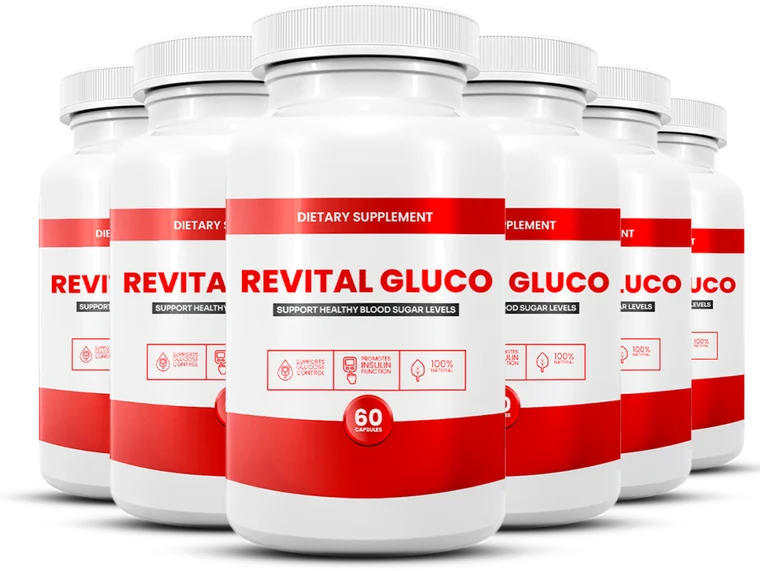
Berberine HCL is the headline ingredient in RevitalGluco's six-ingredient formula, and it is arguably the single ingredient here with the clearest, most extensively researched connection to blood sugar metabolism. As with the rest of the formula, the exact amount per capsule is not disclosed, which limits how precisely it can be compared to research doses.